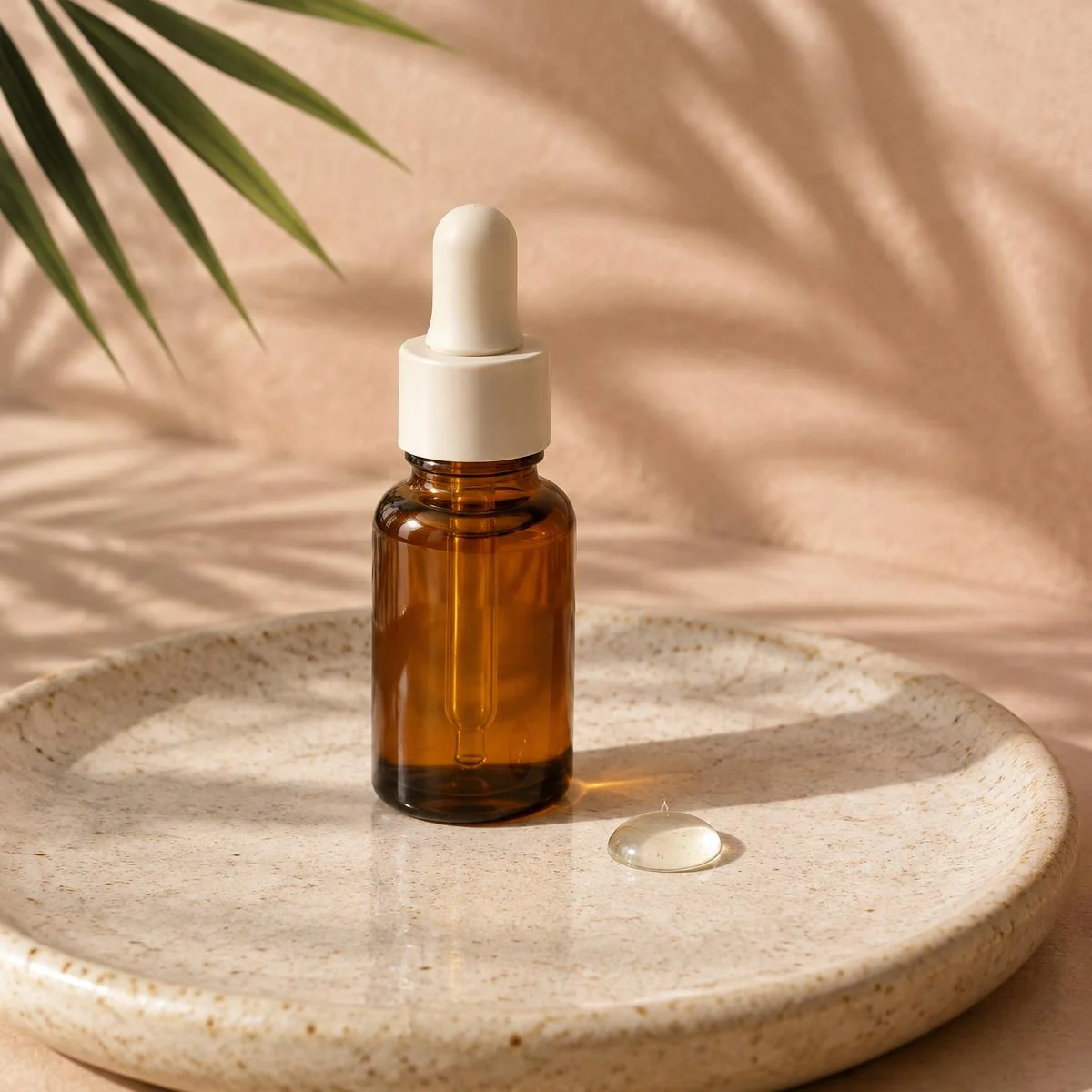
 S01Illustrative photo
medicube PDRN Pink Peptide Serum with Salmon DNA
Face serum with PDRN (salmon DNA) and peptides.
Check today's priceThis page has affiliate links. As an Amazon Associate we earn from qualifying purchases, at no cost to you.
Salmon DNA is the ingredient of the moment. The research behind it is real — just mostly not for the serum in your cart.
Updated October 2026

PDRN (polydeoxyribonucleotide) is a mix of DNA fragments, usually taken from salmon sperm DNA. You'll see it in serums and creams like medicube's PDRN serum (#S01) and ANUA's PDRN cream (#S02).
The best data comes from injectables. In a 27-person split-face trial, a polynucleotide injectable beat a hyaluronic acid filler at 16 weeks. Injectable PDRN is not FDA-approved for cosmetic use in the US.
The global PDRN skincare market is projected to reach $811.4 million by 2035, according to figures cited by Dermatology Times.
S01Illustrative photoFace serum with PDRN (salmon DNA) and peptides.
Check today's price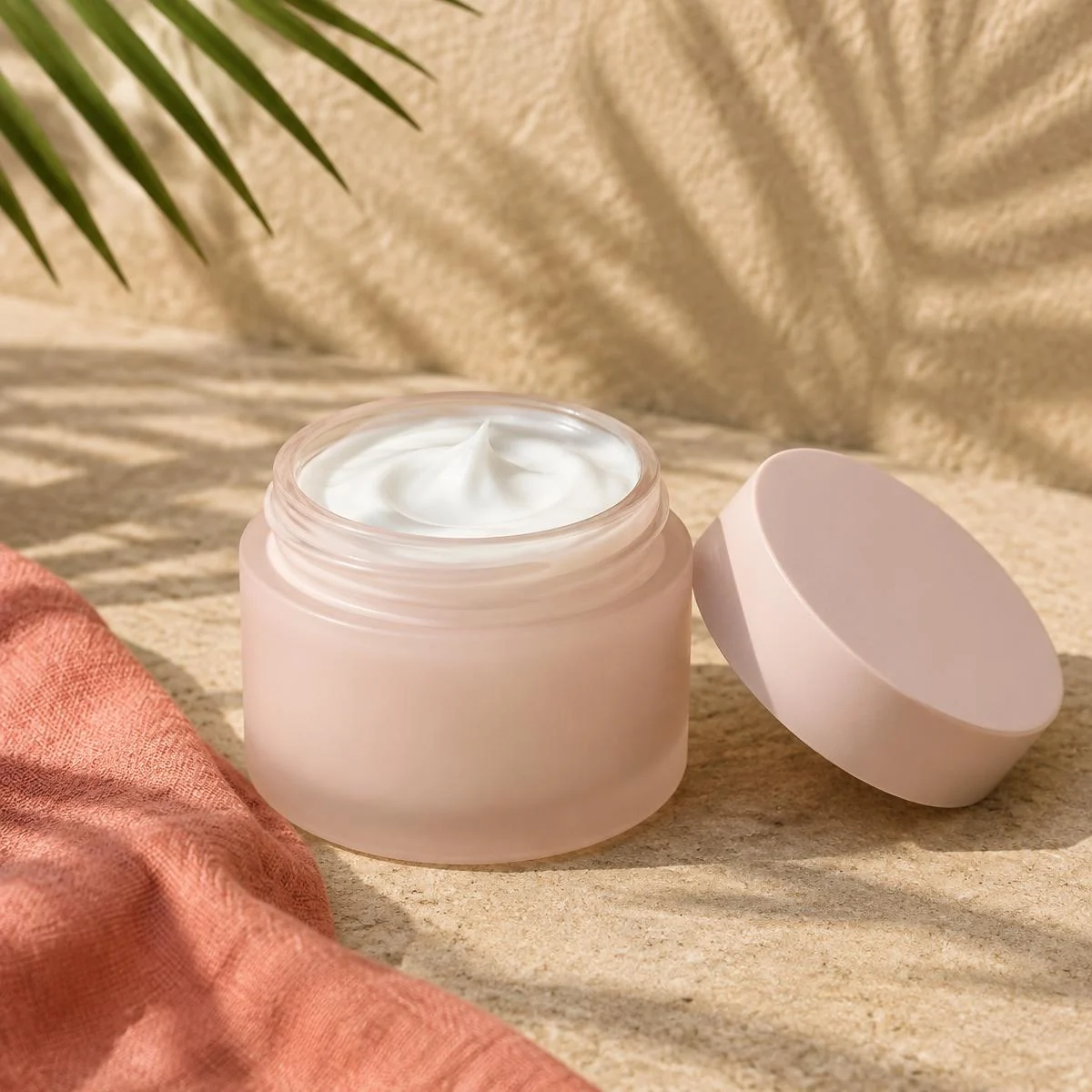 S02Illustrative photo
Moisturizing cream with PDRN and hyaluronic acid.
Check today's priceSALELive listings on Amazon; availability varies. Some images are illustrative. As an Amazon Associate we earn from qualifying purchases.
PDRN (polydeoxyribonucleotide) is a mix of DNA fragments, usually taken from salmon sperm DNA.
The strongest evidence is for injectables. Evidence for creams and serums is very limited: the first published topical clinical study (late 2025) was small and showed a modest eye-area elasticity gain after 4 weeks.
Injectable PDRN is not FDA-approved for cosmetic use in the US. For serums, patch test first, and if you are pregnant ask your doctor before trying new actives.
Most PDRN fragments are far larger than the roughly 500 Dalton size that passes the skin barrier, and brands rarely disclose molecular weight. Results from a serum likely come from its other ingredients.
Every number on this page comes from the sources below. Last updated October 2026.
Four trials, the wavelengths they used and how often.

Positive overall — until you remove industry-funded studies.

Collagen loss after menopause, and a four-step routine.

SPF, gloves, retinol — and your hands under the gel lamp.

Mineral vs chemical, how much to apply, and tinted SPF for spots.